How Indian Industries Are Adopting Industry 4.0

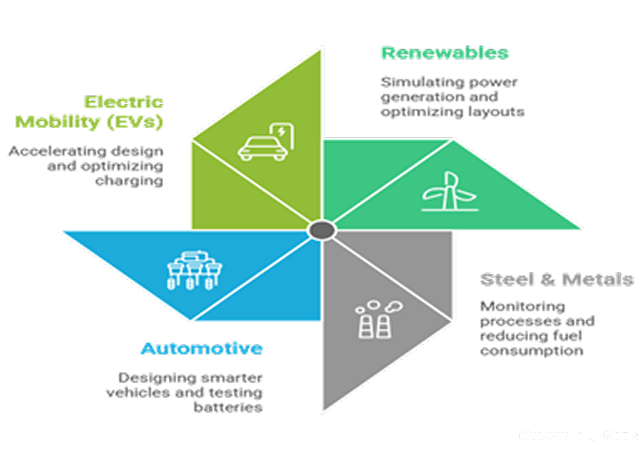
Industry 4.0 marks the fourth industrial revolution—where physical manufacturing systems integrate seamlessly with digital technologies like IoT, AI, robotics, and data analytics. In India, industries across sectors such as steel, renewables, automotive, and pharma are rapidly embracing Industry 4.0 to stay competitive, resilient, and sustainable.

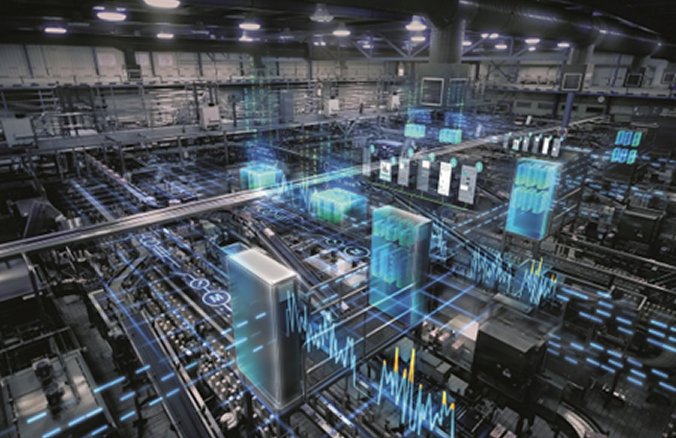
The government’s “Make in India” initiative, combined with the push for digital transformation, has accelerated adoption. Many manufacturers are moving from traditional shop-floor methods to smart factories where machines, people, and processes are connected in real-time.
Key Enablers of Smart Manufacturing

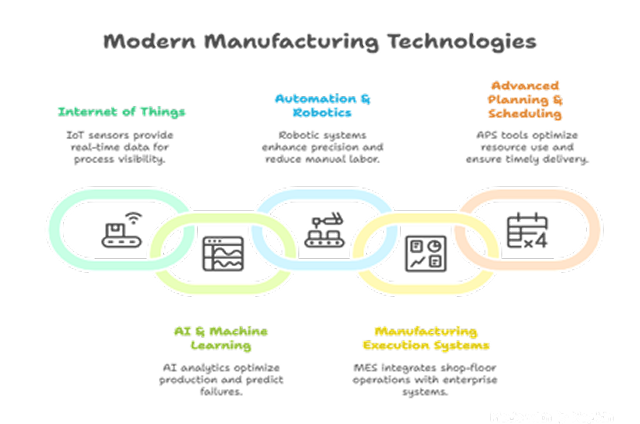
  • Internet of Things (IoT)


    IoT sensors collect and share real-time data from machines and production lines, providing visibility into every step of the manufacturing process.
  • Artificial Intelligence & Machine Learning (AI/ML)


    AI-powered analytics identify patterns, predict failures, and optimize production. ML algorithms continuously improve outcomes based on live data.
  • Automation & Robotics


    Advanced automation—from robotic arms to automated guided vehicles—reduces manual intervention, increases precision, and boosts productivity.
  • Manufacturing Execution Systems (MES)


    MES bridges the gap between shop-floor operations and enterprise systems (ERP), enabling seamless tracking of production, materials, and quality.
  • Advanced Planning & Scheduling (APS)


    APS tools help manufacturers plan with finite capacity in mind, ensuring on-time delivery, optimized resource use, and reduced costs.

Challenges in Adopting Industry 4.0

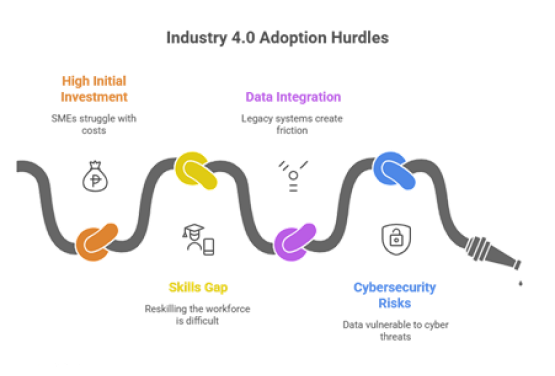
  • High Initial Investment

    Many SMEs struggle with the cost of implementing digital solutions.
  • Skills Gap

    Workforce reskilling in digital tools, data analytics, and automation remains a challenge.
  • Data Integration

    Legacy systems often do not integrate smoothly with new digital platforms.
  • Cybersecurity Risks

    As factories become more connected, safeguarding data and operations from cyber threats is critical.

Best Practices for Successful Implementation

  • Start Small, Scale Fast

    Begin with a pilot project (e.g., predictive maintenance or APS) and expand across the plant once ROI is proven.
  • Collaborate with Experts

    Partner with digital transformation specialists to ensure smooth integration and knowledge transfer.
  • Focus on People

    Invest in workforce training and change management, ensuring employees are empowered to use new technologies effectively.
  • Prioritize Data Security

    Build cybersecurity into the core of every Industry 4.0 initiative.

Conclusion

Industry 4.0 is no longer a future concept—it is the present and future of Indian manufacturing. By leveraging IoT, AI, MES, APS, and automation, Indian industries are becoming smarter, faster, and more sustainable.

Lets Build Future Lets Build Future
Let's Build The Future Together Connect with us